
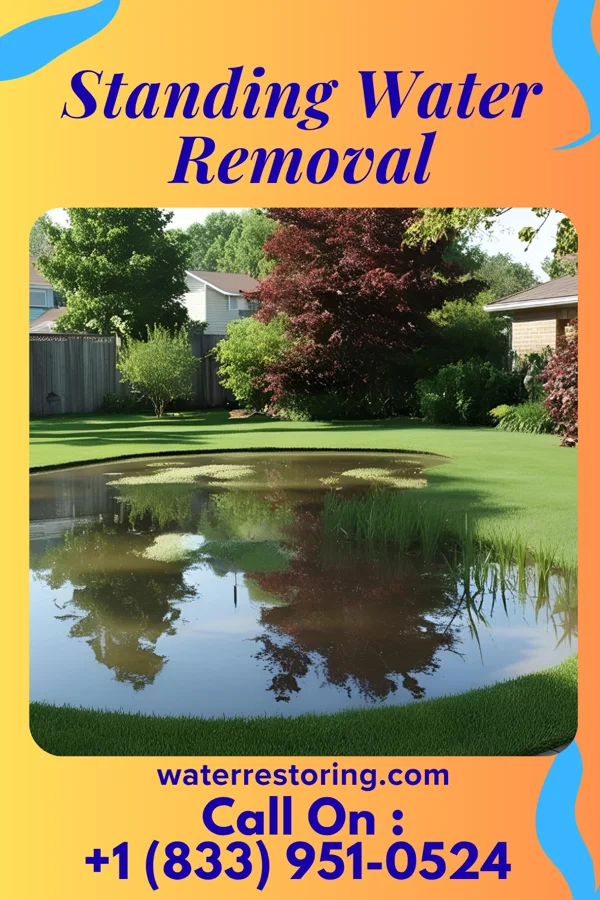
Why Mill Village Sees Standing Water Often
The pattern in Mill Village is consistent. In Mill Village, Pennsylvania, the primary water damage cause is often due to heavy rainfall and flooding from nearby rivers, particularly during late spring and early fall. The area's proximity to Union City, PA, and the Lackawanna River increases the risk of sudden water intrusion in homes and businesses. drives most of the emergency restoration calls we get. A close second is Secondary causes include leaking roofs, burst pipes, and sewer backups, especially in older homes with aging infrastructure. Poor drainage around properties can also lead to prolonged standing water and structural damage..
Mill Village experiences a humid continental climate with significant precipitation, making it prone to water damage during storm events. The region's topography and rural setting can exacerbate flooding risks, particularly in low-lying areas near the river.
Mill Village experiences a humid continental climate with significant precipitation, making it prone to water damage during storm events. The region's topography and rural setting can exacerbate flooding risks, particularly in low-lying areas near the river. The dominant local driver is In Mill Village, Pennsylvania, the primary water damage cause is often due to heavy rainfall and flooding from nearby rivers, particularly during late spring and early fall. The area's proximity to Union City, PA, and the Lackawanna River increases the risk of sudden water intrusion in homes and businesses., with Secondary causes include leaking roofs, burst pipes, and sewer backups, especially in older homes with aging infrastructure. Poor drainage around properties can also lead to prolonged standing water and structural damage. showing up as the next most common cause. Damage builds in stages. Spread. Absorption. Microbial growth. Structural compromise. Every stage you pass through adds to the final bill.
For public guidance on the health effects of mold after prolonged water exposure, see the EPA mold and health page.